Outsourcing vs. Insourcing: How to Decide What to Keep In-House
Every growing business hits the same question: should we hire for this, or hand it to someone outside? The answer is rarely all one or the other. Here’s how outsourcing and insourcing compare, and a simple way to decide which work goes where.
Outsourcing vs. Insourcing at a Glance
| Factor | Insourcing | Outsourcing |
|---|---|---|
| Cost | Wages, benefits, office, equipment | Usually lower, often a set rate |
| Control | High, direct management | Lower, managed through the provider |
| Speed to start | Slower, local hiring | Faster, provider already has people |
| Expertise | Built over time | Available on day one |
| Flexibility | Harder to scale down | Easier to scale up or down |
Keep what makes you different. Hand off what keeps you busy.
How to Decide: A 4-Question Framework
- ?Is it core to what makes you different? If yes, keep it in-house.
- ?Is it repeatable and easy to document? If yes, it’s a strong candidate to outsource.
- ?Does it need specialized skills you don’t have? Outsourcing gets you expertise faster.
- ?How sensitive is the data? Outsource only with clear security controls and agreements.
The Hybrid Model: Dedicated Remote Staff
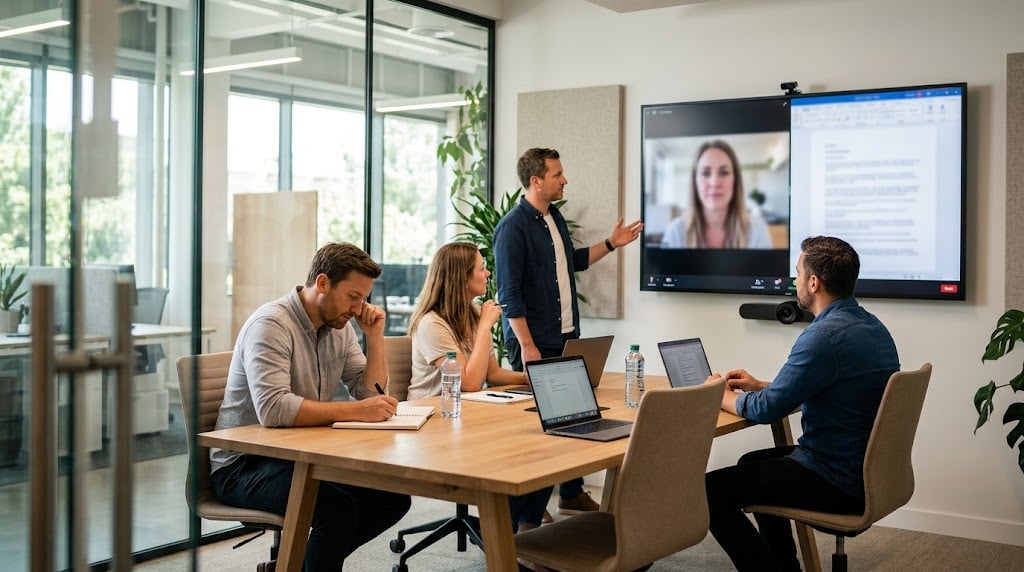
A hybrid model combines the two: a dedicated remote team member works only for your business, inside your tools, under your direction, while a staffing partner handles hiring, payroll, and support. You keep control of the work without the full cost of a local hire.
- ✓Direct control over priorities and quality.
- ✓Lower cost than a local hire.
- ✓Faster start, with vetting and training handled for you.
- ✓Continuity, with replacement if the fit isn’t right.
See how a remote staffing agency works and 25 tasks to delegate to a virtual assistant.
How Mira Fits the Hybrid Model
Frequently Asked Questions
What is the difference between outsourcing and insourcing?
Insourcing means doing work with your own employees. Outsourcing means paying an outside provider to do it.
Is outsourcing cheaper than insourcing?
Usually, because you avoid hiring costs, benefits, office space, and equipment. The trade-off is less direct control.
What should a small business outsource?
Repeatable, documentable work that doesn’t need your specific expertise, such as inbox management, scheduling, data entry, and customer follow-up.
What should stay in-house?
Work that’s core to what makes your business different, along with key decisions and relationships.
What is a hybrid staffing model?
A dedicated remote team member works only for your business under your direction, while a staffing partner handles hiring, payroll, and support.